Plastic carts cost less than metal
Plastic carts cost less than metal, and that is the plain answer most shoppers want first.
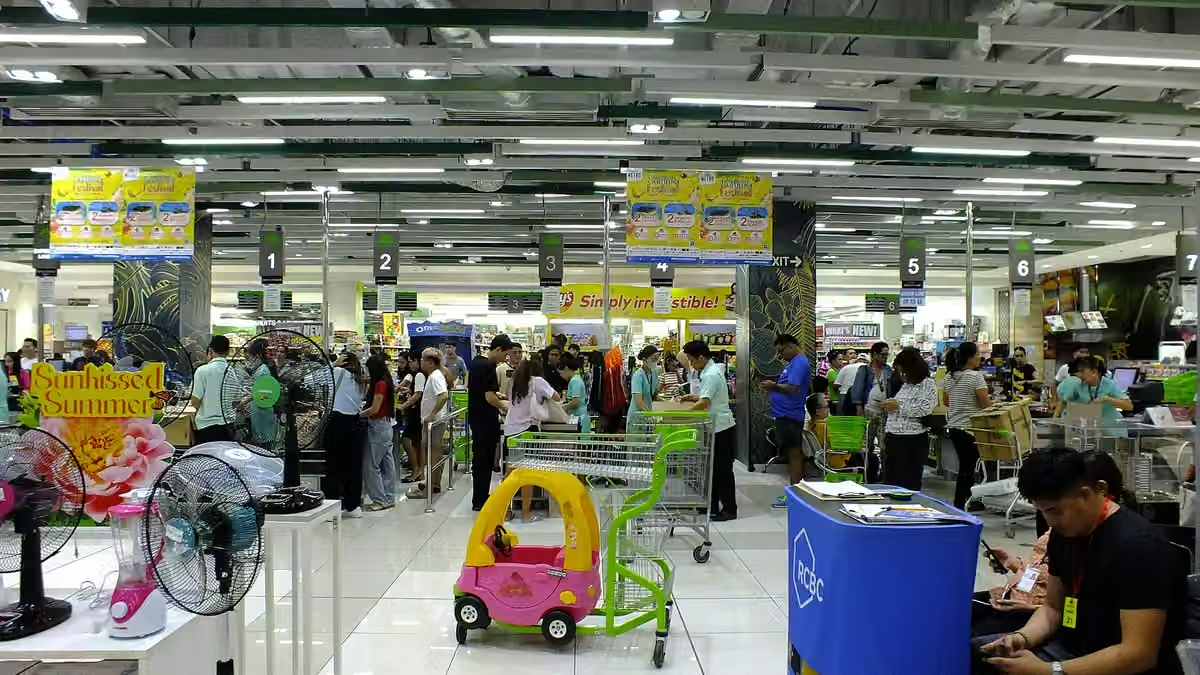
Photo: Wide Awake! / Wikimedia Commons / CC BY 4.0
# Plastic carts cost less than metal
Plastic carts cost less than metal, and that is the plain answer most shoppers want first. For a small grocery shopping cart, the price gap usually comes from the material, the build, and how much weight the cart is meant to carry.
I like simple answers when money is tight. This one is simple, but not silly simple. Plastic often costs less up front because it can be lighter to make and easier to shape. Metal carts, especially steel ones, can cost more because the material and build are different.
That matters most when the cart is small. A small grocery cart is often made for quick trips, tight aisles, or lower loads. In that size range, plastic models are often sold as a budget choice. Metal models may be built for tougher use, extra strength, or longer wear.
The big thing here is that the first price is not the whole story. A cart that costs less at the start can still need more care later if it wears down fast. A metal cart may cost more up front, but it can also be chosen for strength, repair, or heavy use. So the cheaper cart is not always the cheapest cart in the long run. Shopping math loves to act normal and then get weird.
For a small grocery shopping cart, the buyer usually cares about a few facts. Weight is one. Plastic carts are often lighter, so they can be easier to push and move. Noise is another. Plastic is often quieter than bare metal on hard floors. Rust is also part of the picture. Plastic does not rust, which is useful in wet spots or stores with a lot of cleaning.
Still, cheaper does not mean better for every job. That is the part people skip when they see a low price tag. A plastic cart may be fine for light loads and quick trips, but a metal cart may feel sturdier if the cart is used hard all day. The right pick depends on the store, the load, and how much wear the cart will take.
I also think it helps to separate the material from the marketing. Sellers may talk up a cart as “durable” or “easy to use,” and that may be true in part. But those claims do not always tell the whole price story. One cart can be plastic and still expensive if it has extra features. Another can be metal and still be a simple, lower-cost model if it is basic.
That is the honest catch. Plastic carts usually cost less than metal, but not every plastic cart is cheaper than every metal cart. Size matters. Features matter. Bulk orders matter too. A small cart for a quiet shop is a very different thing from a heavy cart made for nonstop daily use.
For a reader asking about a small grocery shopping cart, the useful answer is this: plastic is usually the lower-cost material at the start, while metal is often tied to strength and heavier use. If the goal is to spend less, plastic is the more common budget pick. If the goal is lasting power, metal may cost more for a reason.
I like that kind of shopping truth. It is not flashy. It does not come with a giant sticker or a dramatic promise. It just helps money go where it fits best.
The one thing I would keep in mind is that the market is not fixed. Materials, design, and supply can shift, so the price gap between plastic and metal carts can change by model and by seller. That is the small bit of uncertainty in the middle of all this. The headline is still true in the usual sense, but the exact gap is not locked in place.
So yes, plastic carts cost less than metal, and that makes them the common cheap shopping choice for a small grocery cart. The best pick is the one that fits the job and the budget, not the one shouting the loudest about savings. That feels like the whole game, honestly.
If this kind of plain, useful answer helps, that is the sweet spot The Smart Cart is aiming for too: one good deal, one honest pick, and one shopping idea worth trying this week.
Browse: Cheap Shopping