Budget brands win with smart curation
Why does one budget brand feel like a smart buy, while another feels cheap in the worst way?
# Budget brands win with smart curation
What problem this lesson answers
Why does one budget brand feel like a smart buy, while another feels cheap in the worst way?
That is the whole trick here. A low price only feels good when the pieces around it make sense. Smart curation is what turns a budget brand into something people trust, even if the label is simple and the price is friendly.
I think a lot of shoppers feel this in their bones. I do too. The loud discount sticker can pull me in for about five seconds. Then my brain wakes up and asks the annoying question that saves money: does this actually fit the person, the use, and the budget?
That is where curation matters.
What smart curation really means
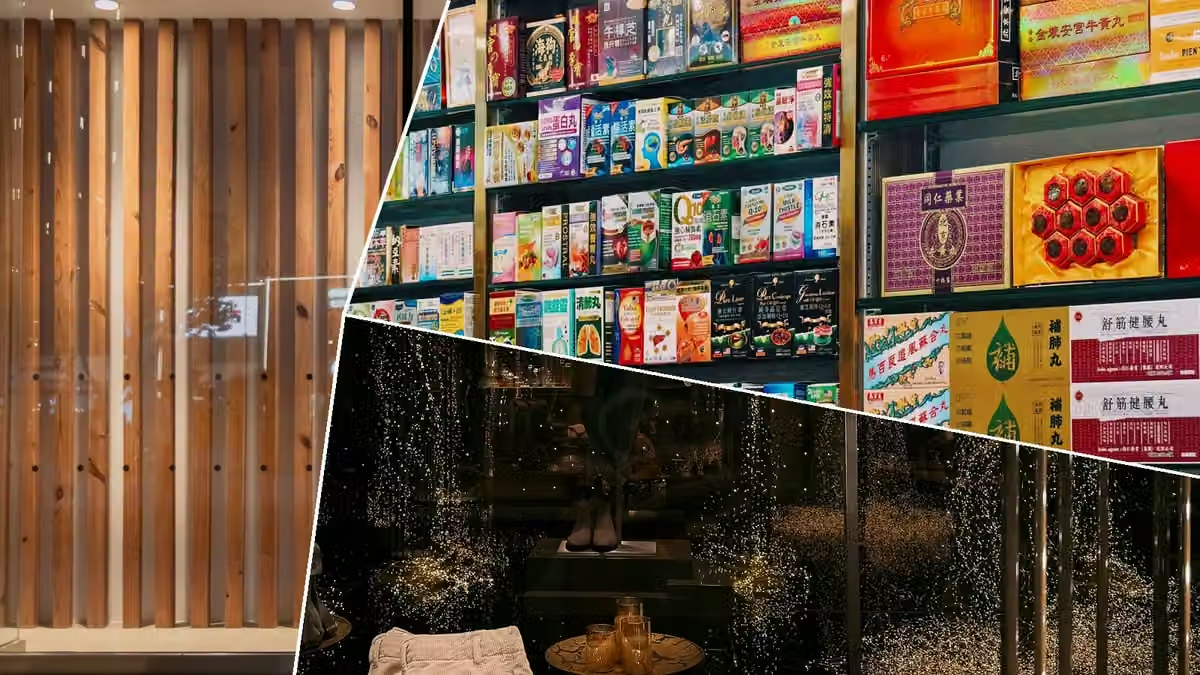
Smart curation is not about stuffing a store with everything under the sun. It is about choosing a smaller set of items that feel connected. The colors work together. The styles make sense together. The quality level is at least steady enough that the shopper is not gambling on every single item.
A budget brand can win when it looks like someone made choices on purpose. That might mean fewer wild prints. It might mean more repeatable basics. It might mean a tighter range of sizes, fabrics, or functions. The point is not to show off. The point is to help the shopper see value fast.
That matters because people do not judge price in a vacuum. They compare it to what else is out there. If a product is cheaper than a similar one, it needs to make the value easy to spot. If it is the higher-priced item in the group, it needs to justify that gap with better features, better materials, or better confidence. Value is a story, and curation helps tell it.
Why budget brands can feel stronger than flashy ones
I know this sounds backwards at first. Lower price is supposed to mean lower status, right? Sometimes yes. But sometimes the budget brand is the one with the better eye.
A brand with smart curation does a few useful things at once. It reduces decision fatigue. It lowers the feeling of risk. It makes the shopper feel like the brand has done some of the sorting work already. That is a quiet gift, and honestly, I love a quiet gift. My budget likes them too.
This is why a well-picked budget brand can beat a messy, expensive one. When the assortment is sloppy, every choice feels like homework. When the assortment is clear, the shopper can imagine a real use for the item. That feeling matters. People hold onto products longer when the purchase feels sensible instead of rushed.
There is also something simple and human here. A lot of us do not want a closet, kitchen, or gift drawer full of random stuff that looks cheap together. We want things that play nicely with what we already own. A budget brand earns trust when it helps with that instead of creating more clutter.
The role of familiar products
Sometimes the strongest budget buy is the one people already know.
If a product is familiar and the value is strong, people are more willing to skip the usual caution. That is especially true with repeat-use basics. Think of something like toilet paper. If someone already uses a certain brand and the pricing is attractive, there is less need for a long decision process. The shopper already understands the product and has a reason to feel steady about it.
That same idea reaches beyond household basics. Familiarity lowers the mental load. The shopper is not asking, “What even is this?” They are asking, “Do I want the familiar thing in a cleaner, better-priced package?” That is a much easier question.
And that is another reason curation matters. A budget brand that stays close to familiar needs and familiar forms has a better shot at being chosen. It does not force the shopper to relearn everything. It just presents a cleaner path.
Trial periods change how people judge value
One of the most practical tools in shopping is time.
When a purchase comes with a short return window, people feel pressure. They check the item fast. They look for reasons to keep or send it back. If they are unsure near the end, they often return it because the deadline is sitting on their shoulder like a tiny menace.
A longer trial period works differently. It gives people room to live with the item. That space lowers the pressure. The shopper gets comfortable. The product becomes part of daily life. By the time the return window closes, the item may already feel normal enough to keep.
That is a quiet lesson for budget brands too. Confidence matters. If a company gives people more time to decide, it is often signaling that it believes in what it sells. That signal can help a lower-cost brand feel safer, even before anyone has decided whether the item is a keeper.
A small example that makes it plain
Picture two budget headphone options. One has a messy product page, too many random colors, and a pile of vague claims. The other has a short list of models, clear use cases, and a simple look that feels consistent.
Even if both are inexpensive, the second one may feel like the better buy. Not because it shouts louder. Because it helps the shopper picture the use. It feels chosen, not thrown together.
That is smart curation in action. It does not make the product magical. It makes the value easier to see.
What shoppers are really buying
People think they are buying an item. Often they are buying relief.
They want to stop scrolling. They want to feel like the choice makes sense. They want the budget to stay intact and the item to fit real life. Smart curation helps with all of that. It says, in effect, “This brand has edited the noise down for you.”
That is why budget brands win when they stay focused. The cheapest thing on the page is not always the smart pick. The smarter pick is usually the one that feels coherent, familiar, and fair for the price. I love a bargain, but I love a bargain with a brain even more.
A good purchase is not the loudest one in the cart. It is the one that fits the person, the budget, and the job at hand. That is the part I keep coming back to, usually after one too many tabs and one too many “hmm, maybe not” moments.
If this lesson sticks, it is this: budget brands win when they curate with care, because that makes value easier to see and easier to trust. That is the kind of shopping lesson that fits The Smart Cart too, with one good deal, one honest pick, and one shopping idea worth trying this week.
Explore: Cheap Shopping